

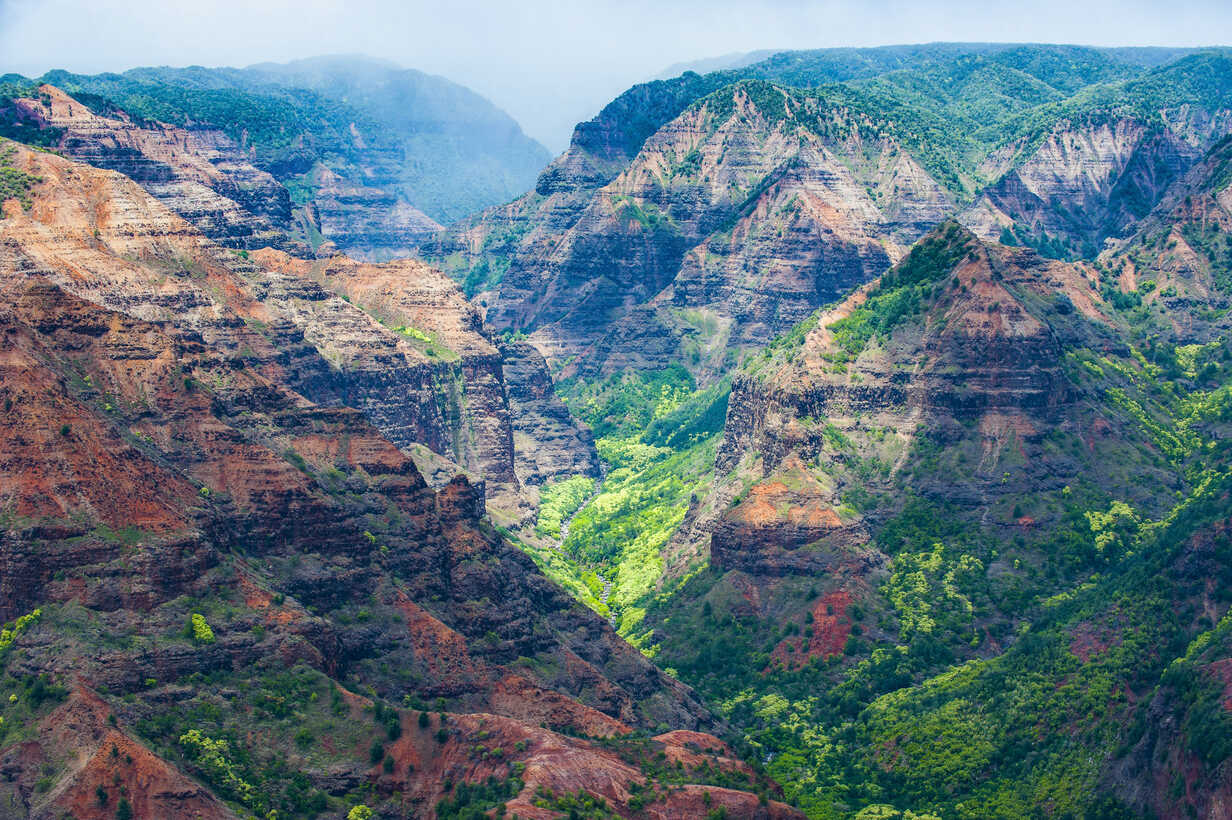
Quick answer
Arrive between 7:00 and 9:00 AM for the clearest views and easiest parking, as afternoon clouds frequently obscure the canyon floor and mid-morning crowds fill the main overlooks. Bring layers—temperatures drop with elevation—and check recent weather reports, since rain on the interior of the island can render distant waterfalls invisible even when the lookout itself stays dry. The park stays open 24 hours with a $5 conservation fee per non-resident.
Cloud behavior determines what visitors see at Waimea Canyon, and the clouds follow a reliable daily rhythm. Trade winds push moisture inland throughout the morning, and by midday the canyon floor often disappears beneath a thick layer of white. The difference between an 8:00 AM arrival and an 11:00 AM arrival is not subtle—it is the difference between seeing layered red rock walls descending thousands of feet and staring into fog. The park's main overlooks sit at higher elevations than most visitors expect, and the temperature can be fifteen degrees cooler than the coast. Sun protection matters even when it feels cool, as the elevation intensifies ultraviolet exposure. Adequate water is non-negotiable, especially for anyone planning to hike beyond the paved lookouts. Cell service is unreliable along Highway 550, so route planning and trail research should happen before departure. Parking at the primary viewpoints fills quickly on dry mornings, and the roadside pullouts are narrow. Visitors who arrive after 9:30 AM often circle back multiple times or settle for partially obstructed views. The drive up from Waimea town takes about thirty minutes, and the road is steep with switchbacks that require attention. Rental cars perform adequately, but drivers unfamiliar with mountain roads should take the curves slowly. Waimea Canyon tips emphasize preparation over spontaneity because the park's conditions shift rapidly. A morning that begins clear can turn gray within an hour, and trails that appear easy from the overlook become strenuous once hikers commit. Sturdy footwear is essential—the red dirt becomes slick when wet, and the volcanic rock holds loose gravel. Visitors planning to explore multiple lookouts should budget two to three hours minimum, though those hiking into the canyon itself will need significantly more time. The conservation fee supports trail maintenance and erosion control across Hawaii's state parks. Payment is collected at a self-service station near the entrance, and exact bills simplify the process. Visitors combining Waimea Canyon with Kokee State Park—located further up the same highway—will find the single fee covers both areas, making it practical to explore the upper elevations and alpine trails in one trip.
“The difference between an 8:00 AM arrival and an 11:00 AM arrival is the difference between seeing layered red rock walls and staring into fog.”
Getting to the Canyon: Waimea Canyon Tips for Navigation
Waimea Canyon State Park is located in the western region of Kauai. The primary access route is via Waimea Canyon Drive (Highway 550), which begins near the coast in the town of Waimea.
Waimea Canyon Drive (Highway 550) from Waimea town
Koke'e Road (Highway 552) from Kekaha
Park Schedule: Waimea Canyon Tips for Opening Hours
Waimea Canyon State Park remains open to visitors daily throughout the year. The park operates on a consistent schedule, allowing access during all hours of the day.
| Monday | 00:00–23:59 | Open daily |
|---|---|---|
| Tuesday | 00:00–23:59 | Open daily |
| Wednesday | 00:00–23:59 | Open daily |
| Thursday | 00:00–23:59 | Open daily |
| Friday | 00:00–23:59 | Open daily |
| Saturday | 00:00–23:59 | Open daily |
| Sunday | 00:00–23:59 | Open daily |
Insider Advice: Essential Waimea Canyon Tips for Your Trip
Prepare for the varied climate and terrain of the canyon with these practical strategies for a safe and comfortable visit.
Dress in layers
Temperatures drop significantly at higher elevations compared to the coast, so carry a light rain jacket or sweater. Weather patterns shift rapidly, making moisture-wicking base layers the most effective choice for comfort.
Footwear selection
Wear closed-toe hiking shoes with deep tread to manage loose red dirt and uneven trail surfaces. Avoid flip-flops, as they provide inadequate support and traction on steep canyon paths.
Hydration strategy
Bring more water than you expect to consume because the dry air and altitude contribute to faster dehydration. There are no potable water stations inside the park, so fill your bottles before leaving town.
Sun protection
Apply high-SPF sunscreen and wear a brimmed hat, as the high-altitude sun is stronger than it feels. Cloud cover often hides the intensity of UV rays during the middle of the day.
Communication limitations
Download offline maps and trail guides before your arrival, as cellular service is intermittent or non-existent throughout much of the canyon. Relying on digital connectivity for navigation will likely result in frustration once you leave the main roadway.
Must-See Lookouts: Waimea Canyon Tips for Exploration
Waimea Canyon Drive offers several designated lookouts that provide distinct vantage points of the canyon's geological features and deep red soil. Navigating these stops efficiently allows visitors to observe the varying depths and expansive scale of the terrain.
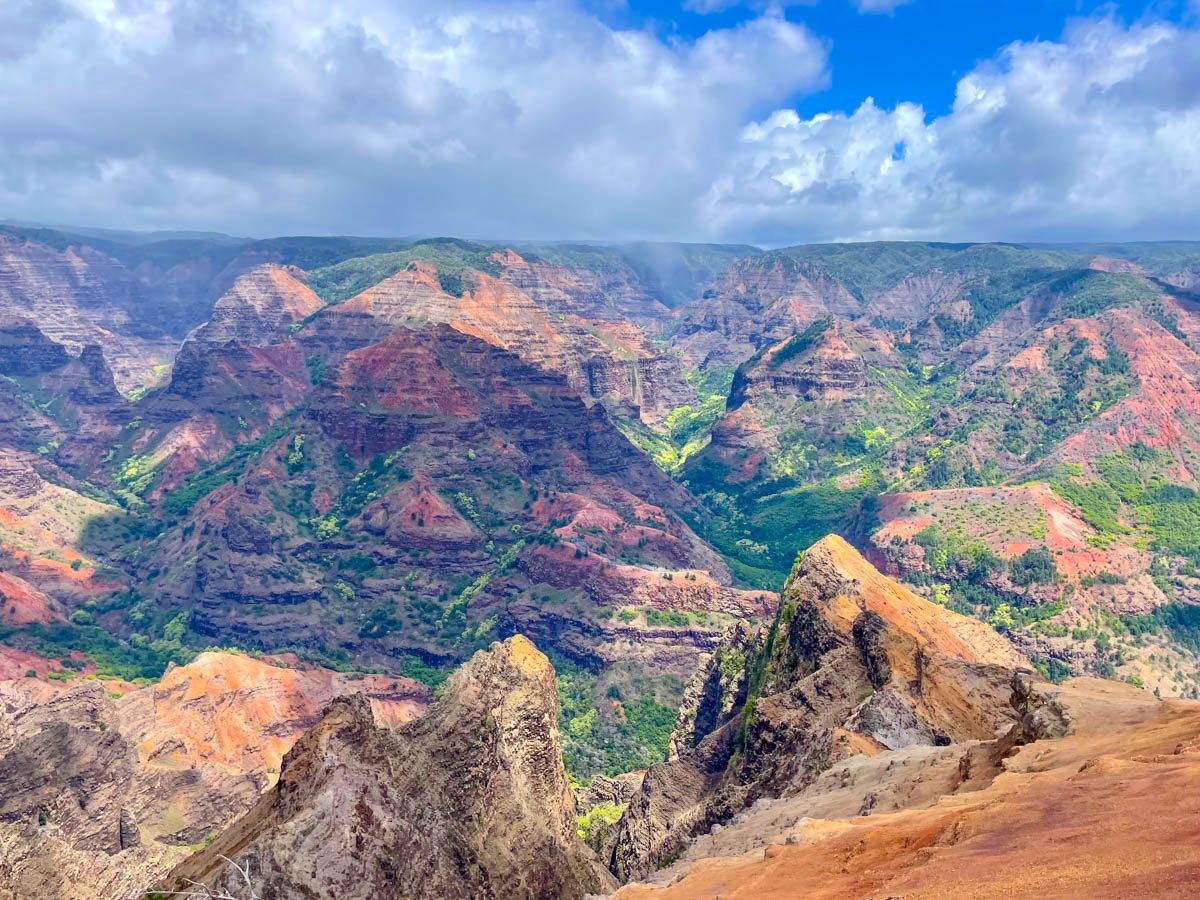
Waimea Canyon Lookout
This primary lookout offers a direct view into the widest section of the canyon and the distant Waipo‘o Falls. It provides the most comprehensive perspective of the gorge's stratified rock layers.
Arrive early to capture the canyon before clouds descend.
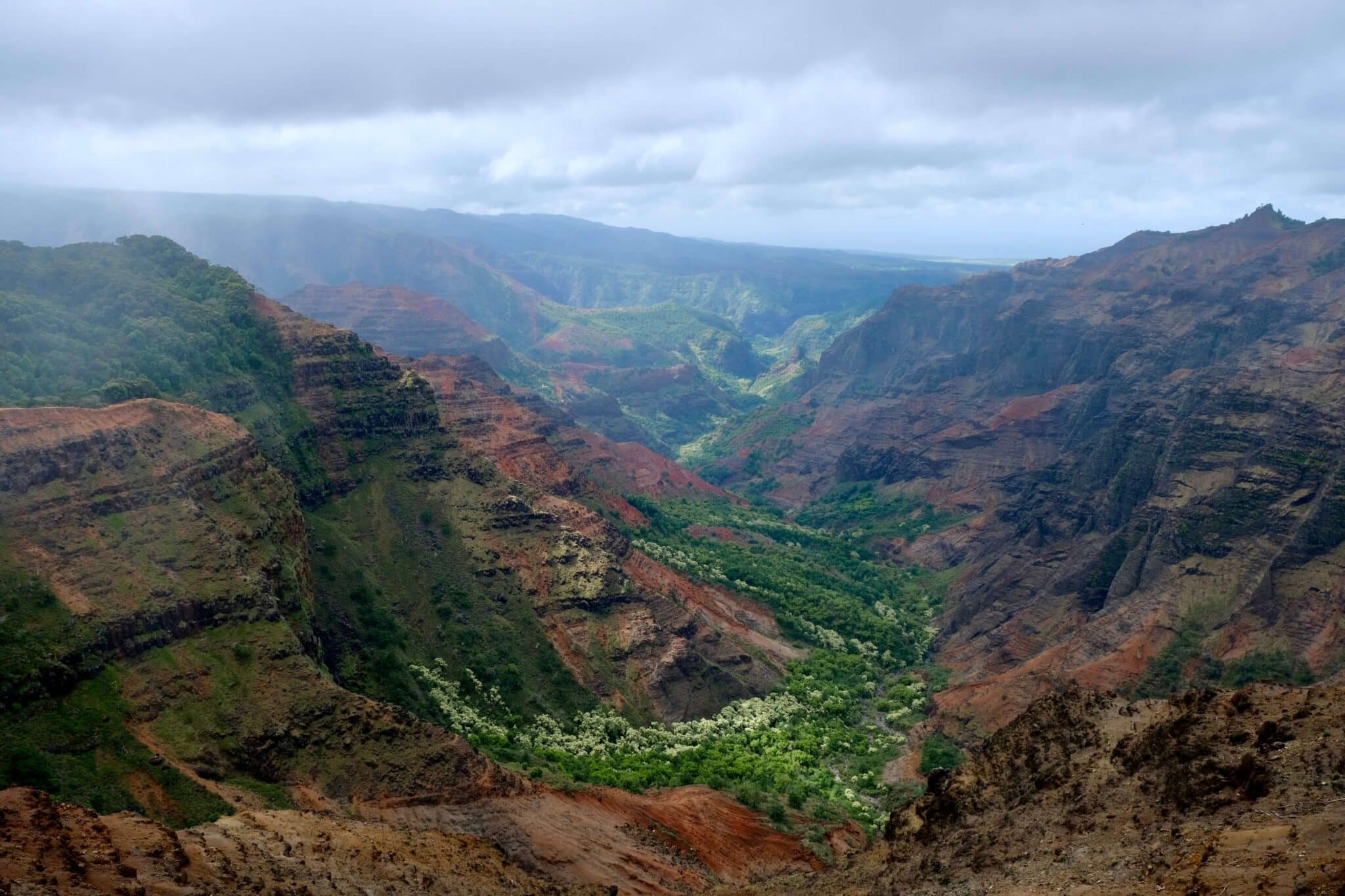
Pu‘u Hinahina Lookout
Located at a higher elevation, this stop provides views of the canyon floor and the western coastline. It is often less crowded than the main lookout and features clear views of the island's interior.
Check for lingering morning mist before heading further uphill.
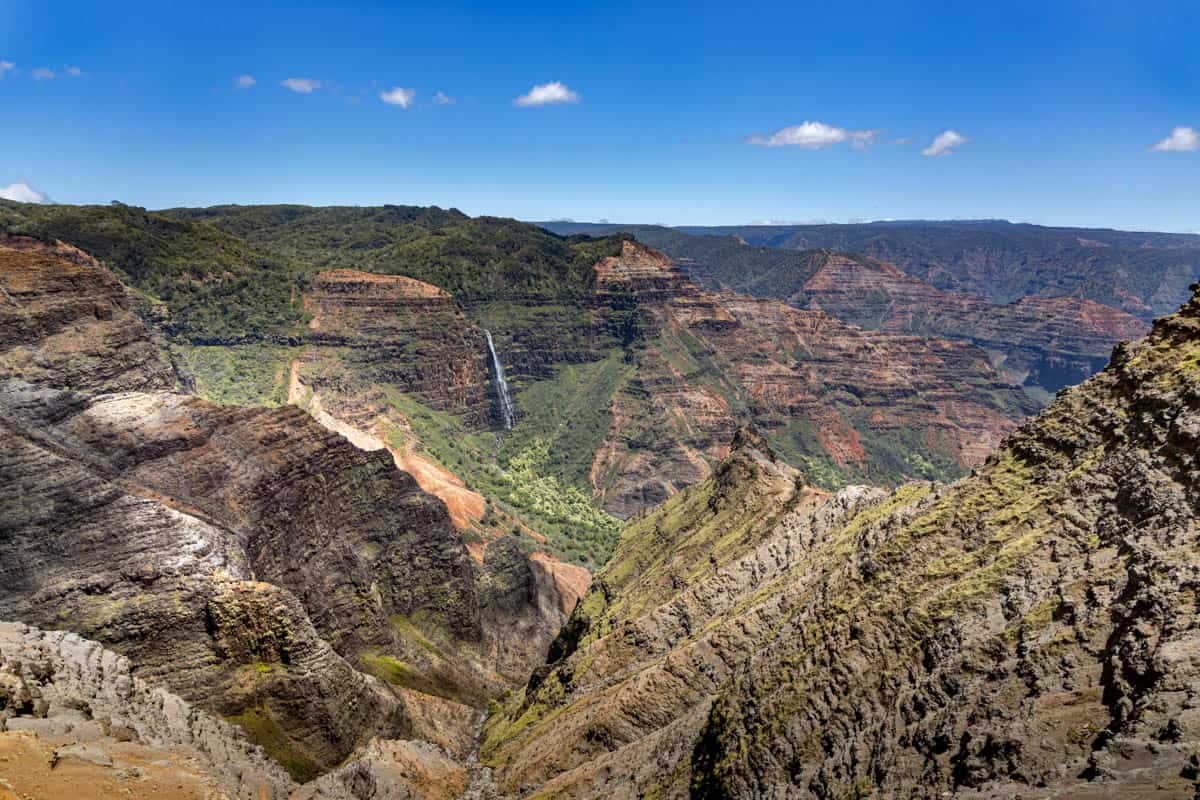
Pu‘u ka Pele Lookout
This lookout highlights the stark contrast between the red volcanic earth and the lush green vegetation of the valley walls. It sits near the edge of the deepest portions of the canyon.
Use binoculars to scan the lower valley for waterfall sightings.
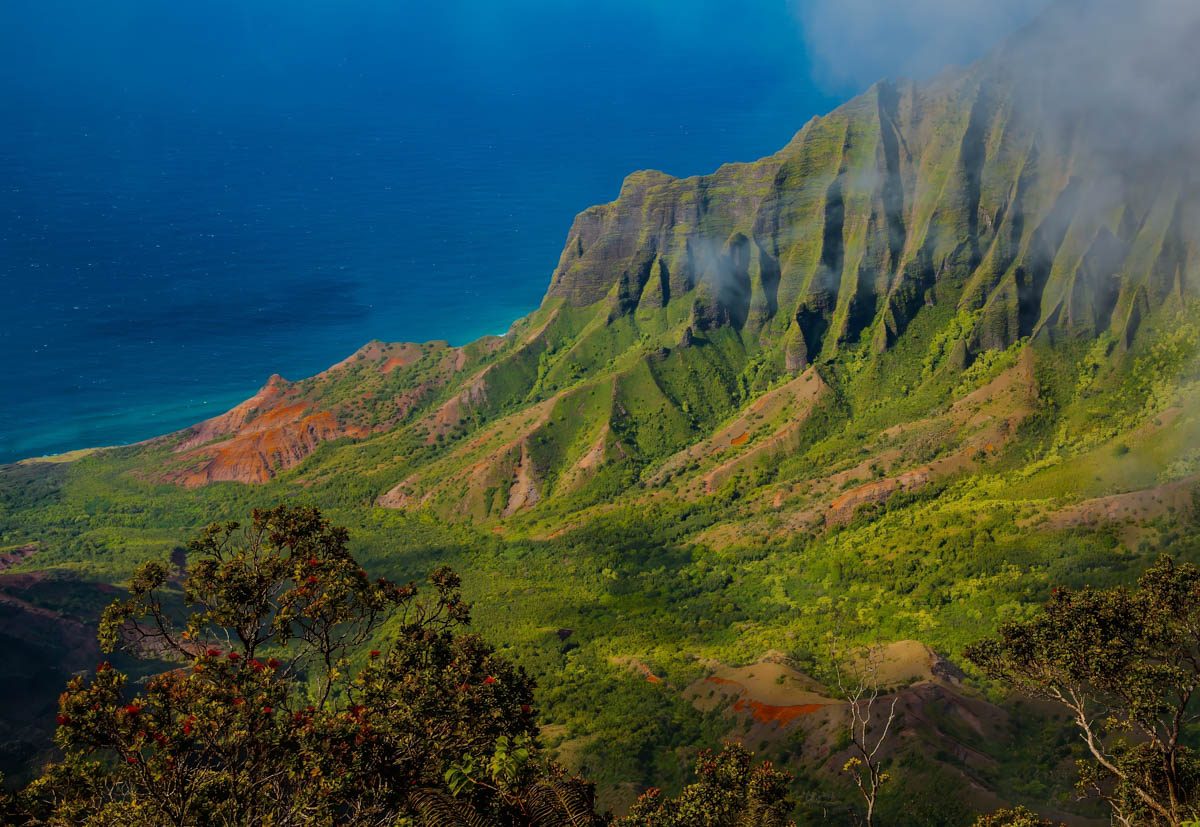
Kalalau Lookout
Situated at the end of the highway, this viewpoint overlooks the Kalalau Valley and the Na Pali Coast. It provides an expansive perspective of the valley meeting the Pacific Ocean.
Wait for the wind to clear fog from the valley floor.
Check availability
Frequently asked questions about waimea canyon tips
Everything you need to know about waimea canyon tips